Days Before the Competition: Preparing Your Body
In the days leading up to the race, focus on maximizing glycogen stores and maintaining a balance of macronutrients:
-
Complex carbohydrates: brown rice, pasta, quinoa, oats, or whole-grain bread. The main energy source for swimming, cycling, and running.
- Proteins: fish, chicken, turkey, eggs, low-fat dairy, legumes, and seeds. Helps maintain and repair muscle mass.
- Healthy fats: olive oil, avocado, nuts, and omega-3-rich fish.
- Fruits and vegetables: provide vitamins, minerals, and antioxidants that aid recovery and immune function.
Eat 5 meals per day adapted to your energy expenditure, approximately 2,000-3,000 kcal depending on weight and training. Stay hydrated with water or isotonic drinks (2-4 liters/day), and use supplements only if recommended by a professional.
The dinner before the race should be consumed 12 hours prior if the race is in the morning. Stick to foods you know and tolerate well; avoid trying anything new.
What to Eat on Race Day
The athlete’s breakfast should be light, high in carbohydrates, and low in fiber, consumed 3–4 hours before the race:
- Toast with jam or honey
- Fresh juice
- Oatmeal with nuts or low-fat yogurt
During the Race: Constant Energy and Hydration
Your nutrition strategy should be practiced during training to avoid gastrointestinal issues:
- Swimming: focus on technique and avoid swallowing water; food intake is not possible.
- Cycling: ideal time for gels, energy bars, bananas, or light sandwiches. Hydrate every 15–20 minutes with water and isotonic drinks.
- Running: take gels and water during transitions; maintain steady energy intake.
Gels and isotonic drinks help maintain glucose levels and prevent fatigue. Test combinations during long training sessions to see what works for you.
Recovery: Key After Crossing the Finish Line
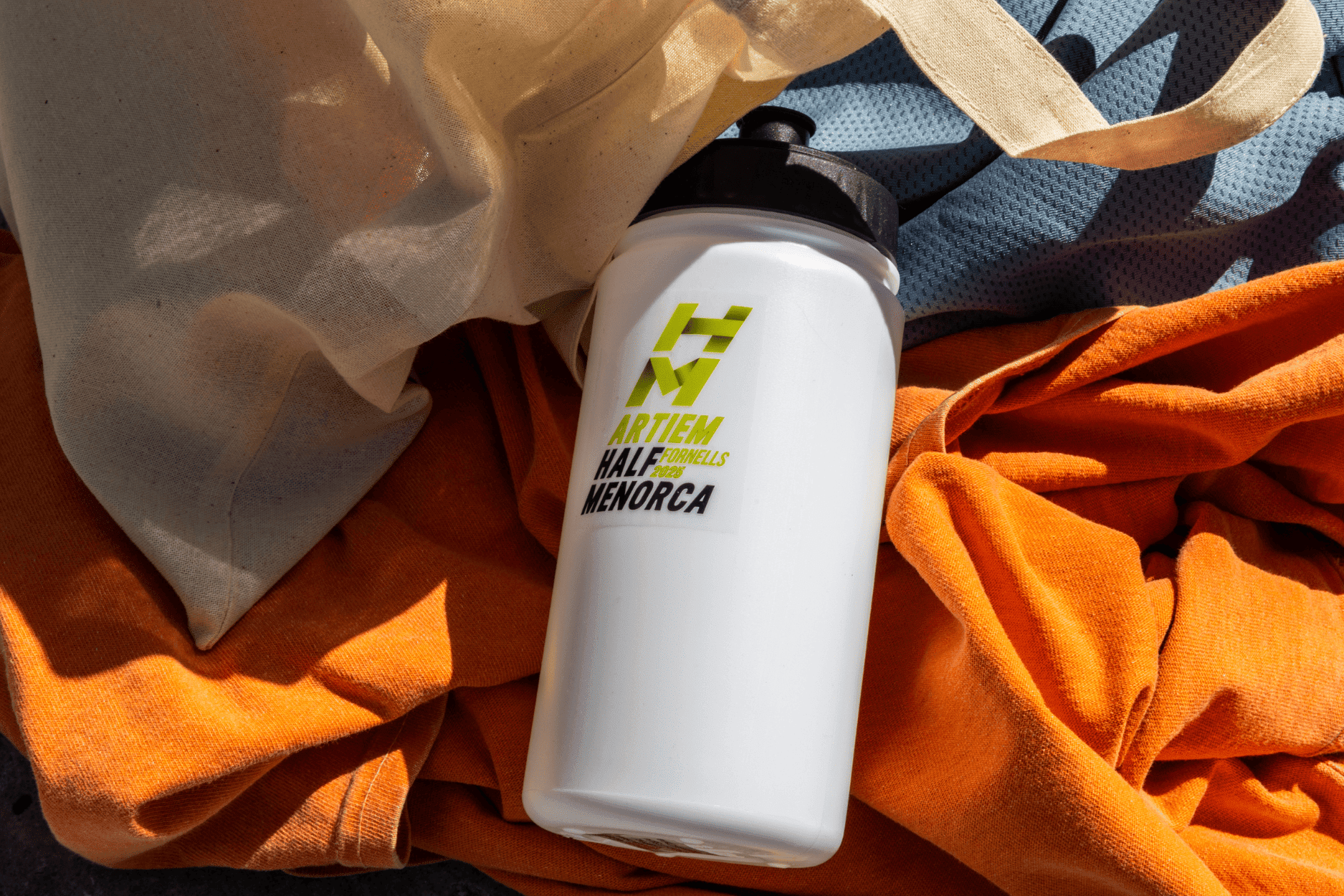
- Drink plenty of water and isotonic beverages to restore fluids and electrolytes.
- Consume fast-digesting carbohydrates within the first hour: fruit, bread, juice, or cereals.
- Reintroduce high-quality protein and healthy fats in post-race meals: white fish, lean meat, eggs, legumes, and whole grains.
Extra Tips to Complete Your Triathlon Diet
- Consult a professional: especially if using supplements like protein shakes or multivitamins.
- Sleep enough: 7–9 hours daily to optimize recovery and performance.
- Plan athlete menus: adapt intake to your training and races, prioritizing food quality and variety.
At ARTIEM Hotels, we love seeing how triathlon inspires people to push their limits. That’s why we promote healthy habits and offer experiences that let you enjoy sport while taking care of your well-being.