Discovering Menorca's gastronomy is also a way of understanding the island's culture and character.
From stuffed aubergines to lobster stew, Menorcan cuisine transforms simple ingredients and local produce into dishes full of character.
But what are the typical dishes of Menorca? What should you try during your visit to the island? And which recipes best represent its culinary heritage?
The answer lies in a cuisine shaped by seasonal ingredients, making the most of available produce and the quality of its raw ingredients. Fresh vegetables, fish, seafood, meat, cheese and traditional sweets come together to create a culinary experience that reveals a side of the island that goes far beyond its landscapes.
What Is Menorcan Cuisine Like?
Traditional Menorcan cuisine is deeply connected to its surroundings. For centuries, local families have cooked with whatever ingredients were available at different times of the year, making the most of their vegetable gardens, livestock farms and the fish and seafood found in the Mediterranean.
This approach to cooking has given rise to recipes that may have humble origins but are exceptionally rich in flavour. Many have been passed down from one generation to the next, with variations depending on the family, the municipality and the ingredients available.
The island's history has also left its mark on its cuisine. Mediterranean influences, together with cultural contributions from different historical periods, have helped shape a culinary tradition with a distinctive identity.
Today, Menorcan gastronomy combines respect for traditional recipes with new interpretations that celebrate local produce and culinary creativity.
Traditional Menorcan Dishes You Should Try
1. Caldereta de Langosta (Menorcan Lobster Stew)
Caldereta de langosta is one of the most iconic dishes in Menorcan cuisine, particularly associated with fishing villages such as Fornells.
Traditionally, it is prepared with lobster, a vegetable sofrito, water or stock, and thin slices of toasted bread. Slow cooking allows the flavours to blend, creating a rich, deeply flavoured broth that captures the essence of the sea.
Although it is now considered a prestigious gastronomic speciality, its origins lie in traditional fishermen's cooking and the use of locally available fish and seafood.
It is especially popular for celebrations and special occasions, and is one of the culinary experiences worth saving for a trip to Menorca.
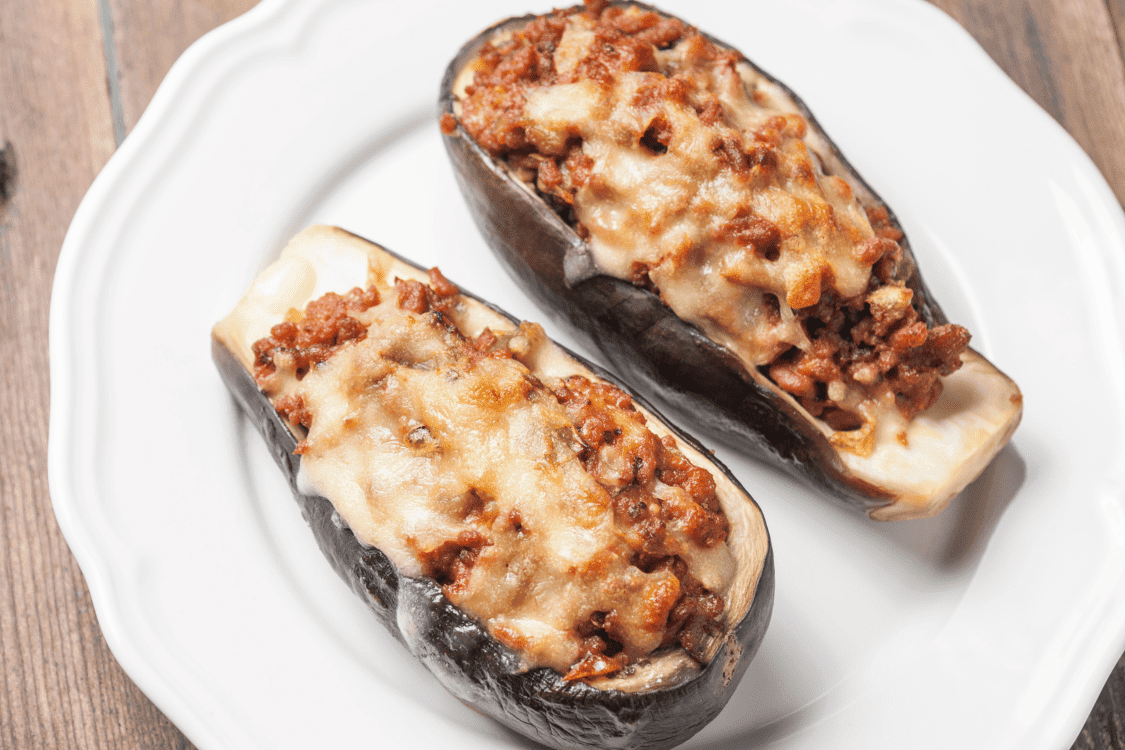
2. Berenjenas Rellenas a la Menorquina (Menorcan Stuffed Aubergines)
Stuffed aubergines, known in the Menorcan dialect as albergínies plenes, are one of the most representative dishes of the island's home cooking.
The traditional recipe involves cutting the aubergines in half, cooking them and scooping out the flesh before mixing it with a sofrito of onion, tomato and other vegetables. Depending on the family recipe, the filling may also include meat, fish or other ingredients. The aubergines are then stuffed again, topped with breadcrumbs and baked until golden.
There are many variations, precisely because this is a recipe that has been passed down through generations. Some versions are entirely vegetarian, while others include meat or cheese.
The secret lies in its simplicity, the flavour of the vegetables and the time taken to prepare a good sofrito.
3. Oliaigua
Oliaigua is one of the dishes that best represents the traditional rural roots of Menorcan cuisine.
It is a traditional soup made with simple ingredients such as olive oil, garlic, onion, tomato, green pepper, water and salt. It is cooked gently over a low heat and usually served with slices of bread, often using bread from the previous day.
During the warmer months, oliaigua is traditionally served with fresh figs, a combination that reflects the close relationship between Menorcan cooking and seasonal produce.
Although its ingredients are humble, the result is a dish full of flavour. It is also a wonderful example of how resourceful home cooking can become a symbol of culinary identity.
4. Perol Menorquí
Perol is another traditional Menorcan dish that comes in several variations depending on the ingredients used.
One of the best-known versions is perol de tomàtic, made with tomato and other vegetables and, in some recipes, potatoes and fish or meat. Another popular preparation uses skate and is known as perol de ratjada.
The ingredients are arranged in an oven dish, traditionally made of clay, and baked until the vegetables are tender and the surface turns golden.
Perol demonstrates the versatility of Menorcan cuisine: the same cooking technique can produce different dishes depending on the ingredients available and each household's traditions.
5. Menorcan-Style Skate
Skate is one of the fish traditionally featured in Menorcan cooking. One of its most characteristic preparations is oven-baked skate with potatoes, onion and other ingredients that vary from one recipe to another.
The fish is cooked slowly until tender, allowing it to absorb the flavours of the accompanying ingredients. Oven-baked dishes are common in traditional island cooking and provide a wonderful way to combine seafood with vegetables and produce from the land.
If you're interested in discovering the seafood side of Menorcan gastronomy, this is a dish worth looking for in restaurants that specialise in local recipes.
6. Coca Menorquina
Coca is a traditional baked dish deeply rooted in the gastronomy of the Balearic Islands, with several variations found in Menorca.
Savoury cocas can be topped with vegetables, tomato, onion, sofrito and other seasonal ingredients. There are also versions made with sobrasada, while sweet cocas are part of the island's traditional baking heritage.
Their versatility allows the recipe to adapt to the ingredients available and different times of the year. Coca is therefore a wonderful way to discover how Menorcan cuisine transforms everyday ingredients into delicious dishes that are perfect for sharing.
7. Cuttlefish with Peas and Sobrasada
Cuttlefish is another Mediterranean ingredient featured in many traditional island recipes. It can be prepared with peas, artichokes or sobrasada, depending on the season and the culinary traditions of each restaurant.
The combination of cuttlefish and sobrasada is particularly interesting because of the contrast between the flavours of the sea and the rich, spiced notes of the cured sausage. It is a great example of how Menorcan cuisine brings together ingredients from the sea and the land while retaining its Mediterranean character.
Availability may vary depending on the restaurant and the time of year, so it's worth checking the menu if you'd like to try a particular version.
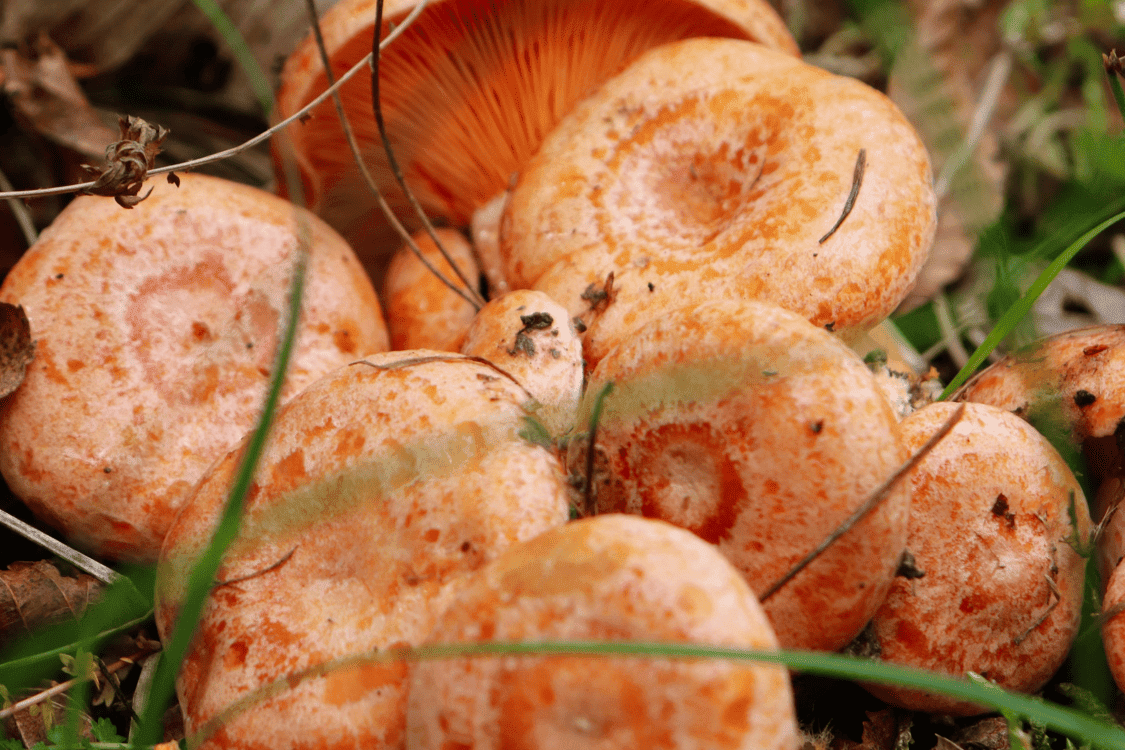
8. Seasonal Mushrooms: Esclatassangs and Cames Seques
Autumn is the perfect time to discover the mushrooms that grow in Menorca. Among the most appreciated varieties in local culinary tradition are esclatassangs and cames seques, traditional names that are part of the island's gastronomic vocabulary.
One of the simplest ways to enjoy them is grilled or pan-fried with olive oil, garlic and parsley. They can also be added to stews, rice dishes and other seasonal recipes.
Their availability depends on the weather and each year's harvest, so they are not always found on restaurant menus. This seasonality is precisely part of their appeal: they offer a taste of a cuisine closely connected to the natural rhythms of the island.
9. Arroz de la Tierra
Despite its name, traditional Menorcan arroz de la tierra is made with cracked wheat rather than rice.
It is a hearty dish associated with resourceful traditional cooking, traditionally prepared with ingredients such as meat, cured sausages and a rich stock. Recipes vary, but they all share a slow cooking process that allows the flavours to blend into a delicious and satisfying dish.
It is one of the specialities that best illustrates the uniqueness of Menorcan cuisine and the importance of preserving local recipes.
10. Sobrasada and Mahón-Menorca Cheese
Beyond its traditional cooked dishes, Menorca is home to local products that deserve a special place on any culinary journey.
Menorcan sobrasada is a traditional cured sausage made from pork, paprika and spices. It can be enjoyed on its own, spread on bread or used as an ingredient in cocas and other dishes, adding plenty of flavour and character.
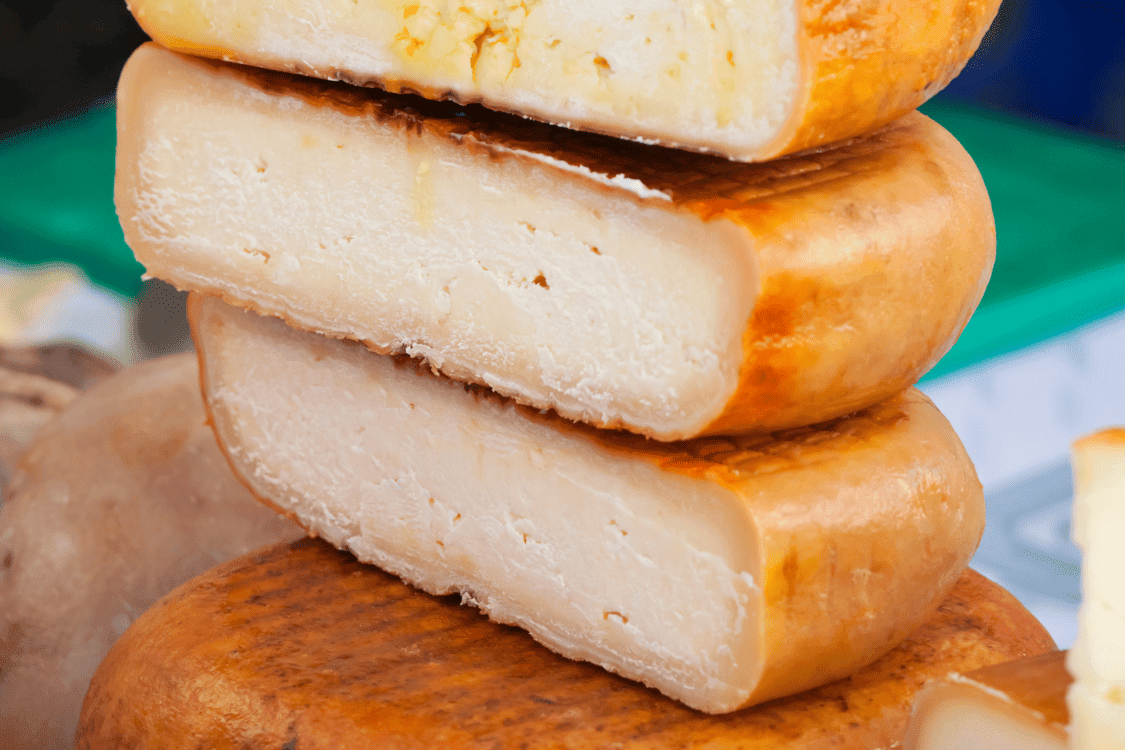
Mahón-Menorca cheese, meanwhile, is one of the island's great culinary icons and holds Protected Designation of Origin (PDO) status. It is made from cow's milk and comes in different stages of maturation, from mild, young cheeses to more mature varieties with a stronger flavour.
Trying both products is an easy and delicious way to discover Menorca's farming and culinary traditions.
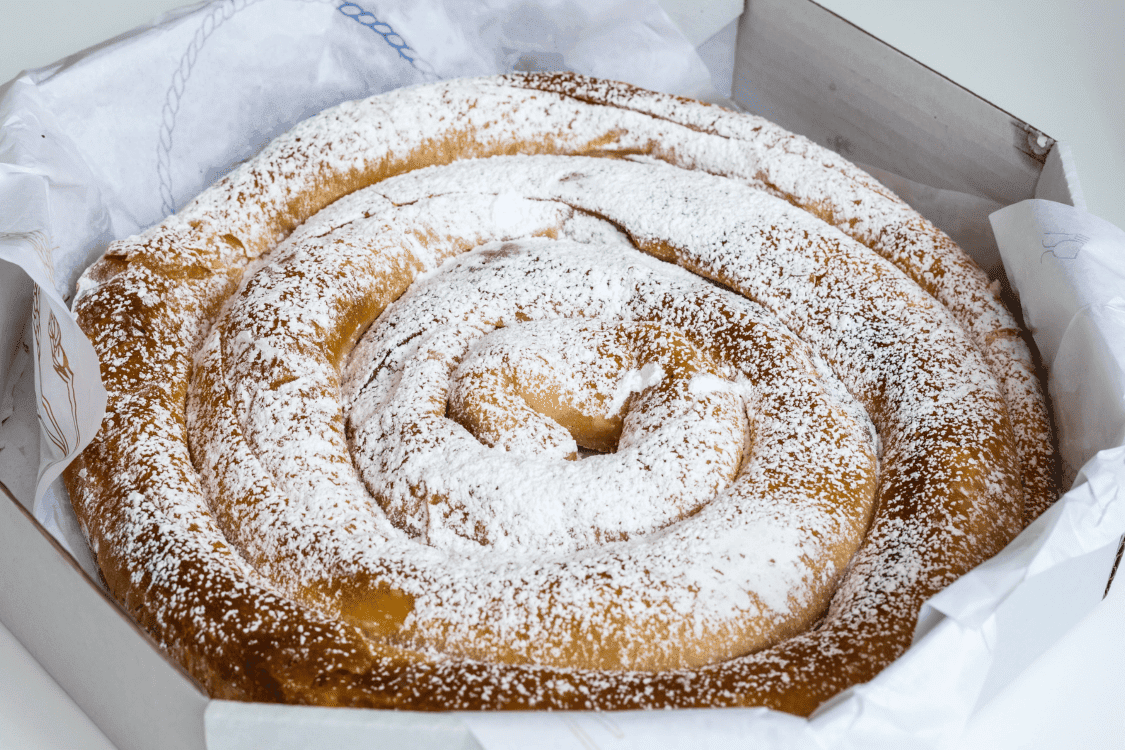
Which Traditional Menorcan Sweets Are Worth Trying?
Traditional baking also plays an important role in the island's food culture. Many recipes are associated with religious celebrations, local festivities and specific times of the year.
Among the sweets worth discovering are:
Crespells: Traditional biscuits that come in different shapes and varieties depending on the recipe.
Pastissets: Delicate sweet pastries, usually flower-shaped, that are a hallmark of Menorcan baking.
Formatjades: Traditional filled pastries, particularly associated with Easter and Holy Week, which can contain different fillings.
Carquinyols: Small, crunchy biscuits traditionally made with almonds.
Coca with sobrasada and sugar: A sweet-and-savoury combination that reflects the distinctive character of local gastronomy.
Cuscussó: A traditional sweet with historical roots, particularly associated with Christmas celebrations.
Menorcan baking offers another way to discover the island: through the recipes that accompany its festivities, family gatherings and long-standing traditions.
What Seasonal Dishes Should You Try in Menorca?
Menorcan cuisine changes with the seasons. Choosing seasonal produce allows you to discover different flavours throughout the year and enjoy ingredients at their best.
Autumn and Winter
During the cooler months, mushrooms, artichokes and other seasonal vegetables take centre stage. It is an excellent time to look for stews, rice dishes, oven-baked recipes and meals prepared with fresh produce from local gardens.
Esclatassangs and cames seques are particularly appreciated when weather conditions allow them to grow and be harvested.
Spring
Spring brings new opportunities to enjoy fresh vegetables, aromatic herbs and produce that starts appearing in local markets. Traditional recipes make the most of these ingredients without masking their natural flavours.
Summer
Summer is the perfect time to discover dishes featuring tomatoes, aubergines, courgettes and other garden produce. It is also a season closely associated with seafood cuisine and enjoying a traditional caldereta de langosta.
Not all ingredients are available throughout the year, and their production does not follow a fixed calendar. Weather conditions, fishing catches and harvests all influence what's on offer, so the best option is to ask about the products available at the time of your visit.
Menorcan Gastronomy and Local Produce: A Different Way to Discover the Island
Traditional Menorcan cuisine is closely connected to the island's landscapes, agricultural and livestock activities, and marine environment. Every recipe offers an insight into how local communities have made use of the resources available to them throughout history.
Today, choosing locally sourced produce and cooking with respect for the seasons helps preserve this connection between food and the land. It also supports local producers and helps protect a culinary heritage that forms an essential part of Menorcan identity.
At ARTIEM, we believe that enjoying a destination also means discovering its flavours. That's why gastronomy, local ingredients and recipes rooted in the territory are part of the way we understand the travel experience.
If you're planning a visit to Menorca, make time to discover its traditional cuisine, ask about seasonal dishes and let yourself be surprised by recipes that tell the story of the island.
Frequently Asked Questions About Menorcan Gastronomy
What are the typical dishes of Menorca?
Some of the island's most representative dishes include caldereta de langosta (lobster stew), stuffed aubergines, oliaigua, perol, Menorcan-style skate, coca, cuttlefish with peas and sobrasada, and arroz de la tierra.
What traditional food should you try in Menorca?
If you're visiting the island for the first time, it's well worth trying caldereta de langosta, stuffed aubergines and oliaigua. You should also sample Mahón-Menorca cheese, sobrasada and some traditional sweets, such as pastissets and carquinyols.
What do people eat in Menorca in autumn?
Autumn is the season for dishes made with mushrooms, artichokes and other seasonal vegetables. Stews, rice dishes and oven-baked recipes are wonderful ways to enjoy these ingredients, although their availability depends on weather conditions and local production.
What is the most famous dish in Menorca?
Caldereta de langosta is one of the best-known dishes in Menorcan cuisine and one of its most iconic culinary specialities. However, recipes such as stuffed aubergines and oliaigua also hold an important place in the island's traditional cooking.
What sweets are typical of Menorca?
Traditional Menorcan sweets include pastissets, crespells, carquinyols, formatjades and cuscussó. Some of these specialities are particularly associated with local festivities and celebrations throughout the year.
Where can you enjoy Menorcan gastronomy?
You can discover local cuisine in restaurants that champion locally sourced ingredients, establishments specialising in traditional cooking, local markets and producers across the island. For a more authentic experience, ask about seasonal ingredients and traditional recipes that form part of Menorca's culinary identity.
At ARTIEM, we believe that discovering a destination also means getting to know its culture through its flavours. That's why gastronomy, local ingredients and respect for the environment are all part of how we understand the travel experience.
If you'd like to discover Menorca from this perspective, you can stay at ARTIEM Carlos in Es Castell or ARTIEM Audax in Cala Galdana, and enjoy a stay from which to explore the island's rich gastronomic and cultural heritage at any time of the year.