Our homes, workspaces and even our digital lives can gradually become cluttered with objects, tasks and information we no longer need. Over time, this excess can become a source of stress and make it harder to enjoy everyday life.
That's why more and more people are embracing this philosophy, which encourages us to simplify, organise and develop more mindful habits. But what exactly does decluttering mean? How can we start practising it? And what benefits can it bring to our lives?
At ARTIEM, we're inviting you to discover the art of letting go, learning to live with what matters and finding a better balance between what we own and what we truly need.
What Is Decluttering and What Does It Mean?
The term decluttering refers to the process of removing unnecessary items, reducing clutter and organising our surroundings to make them more functional and enjoyable.
In simple terms, decluttering means clearing out, letting go of what we no longer need and creating order. However, its meaning goes far beyond tidying up a room or clearing out a wardrobe.
Decluttering is a mindful practice that encourages us to reassess our belongings and keep only what we use, need or genuinely value.
At its heart is a simple idea: we don't need to accumulate more to feel better. Sometimes, letting go of the things that no longer add value to our lives is precisely what allows us to gain space, time and peace of mind.
One of the best-known figures associated with this philosophy is Marie Kondo, the creator of the KonMari Method. Her approach encourages people to focus on what they want to keep rather than simply deciding what to throw away. Her well-known principle of keeping only the things that spark joy has inspired millions of people to rethink their relationship with material possessions.
After all, the goal of decluttering isn't to own as little as possible, but to surround ourselves with things that have meaning and purpose.
And this philosophy isn't limited to our homes. We can also apply it to our wardrobes, relationships, daily routines, workplaces and even our digital devices.

What Are the Benefits of Decluttering?
Clearing our spaces may seem like a purely domestic task, but its benefits can extend far beyond simply getting organised.
When we stop dedicating time and attention to things we don't need, we can free up valuable resources for activities that genuinely contribute to our wellbeing.
Here are some of the main benefits of decluttering:
1. It helps create calmer spaces. An organised environment makes it easier to find what we need and prevents us from constantly having to deal with clutter. It can also help create a greater sense of calm at home.
2. It reduces distractions and encourages concentration. Having fewer unnecessary items around us can make it easier to focus on important tasks, particularly when working or studying from home.
3. It saves time. How often do we waste time looking for our keys, a particular item of clothing or a document we can't remember where we put? When everything has its place, everyday tasks become much easier.
4. It encourages more mindful consumption. Before buying something new, we learn to ask ourselves whether we really need it. This helps reduce impulse purchases and prevents us from accumulating things we rarely use.
5. It helps protect the planet. Giving items a second life, reusing, repairing, donating and recycling responsibly are all habits that help reduce waste and make better use of resources.
6. It encourages us to reflect on our priorities. Reviewing our belongings also means asking ourselves what we value, what we need and what we want to make room for in our lives.
Ultimately, decluttering isn't just about having a more attractive home. It's about creating an environment that supports the lifestyle we want to enjoy.
How to Declutter Step by Step: 7 Tips to Get Started
If you're wondering how to declutter without turning it into an endless task, the key is to start small and establish a method you can maintain over time.
You don't need to empty your entire house in one weekend or get rid of half your belongings. What matters is making mindful decisions and moving forward at your own pace.
At ARTIEM, we've put together seven practical tips to help you get started.
1. Decide How You Want to Live Before You Begin
Before opening cupboards and bringing out the boxes, take a few minutes to think about what you want to achieve.
Would you like a less cluttered home? More time for yourself? To stop accumulating clothes you never wear? To create a more pleasant workspace?
Having a clear goal will help you make decisions and prevent the process from becoming just another general cleaning session.
A good idea is to imagine how you'd like your home to look and how you want to feel in it. Look for inspiration, write down your priorities and set yourself small, achievable goals.
Remember, organisation isn't an end in itself: it's a tool that helps you enjoy everyday life more fully.
2. Start with a Small Area and Sort Everything into Four Categories
One of the most common mistakes when decluttering is trying to do everything at once. To avoid this, choose one specific area: a drawer, a shelf, a bedside table or a small wardrobe.
You can use four categories to sort your belongings:
-
Keep: Items you use, need or genuinely value.
-
Donate or give away: Things in good condition that could be useful to someone else.
-
Sell: Items you no longer need but that could find a new home.
-
Recycle or dispose of: Broken or unusable items that should be handled responsibly according to their material.
This system will help you see exactly what you own and decide what to do with each item.
One tip: avoid simply moving clutter from one room to another. If something no longer has a place in your life, use this opportunity to find an appropriate way to pass it on.
3. Declutter Your Wardrobe: Keep What You Actually Wear
Your wardrobe is one of the best places to start.
How many times have you opened it and thought you had nothing to wear, despite it being full of clothes?
Accumulating items we never use can make choosing an outfit more difficult and waste valuable time every morning.
To declutter your wardrobe, follow these steps:
-
Take everything out and group your clothes into categories: T-shirts, trousers, dresses, jackets, shoes and accessories.
-
Review each item and ask yourself whether you like it, whether it fits and whether you actually wear it.
-
Set aside anything that no longer suits your style or needs.
-
Organise the clothes you decide to keep so they're easy to find.
-
Give unwanted clothes in good condition a second life through donations or resale.
You don't need a minimalist wardrobe or to give up your favourite pieces. The aim is to create a functional wardrobe that reflects who you are and makes everyday life easier.
4. Organise Your Pantry and Embrace More Mindful Consumption
Your kitchen and pantry deserve some decluttering too.
Buying food that we later forget about, accumulating duplicate products or failing to check expiry dates are common habits that can lead to unnecessary food waste.
To avoid this, we recommend:
-
Emptying and thoroughly cleaning your pantry from time to time.
-
Checking use-by and best-before dates.
-
Grouping food by category.
-
Placing products that need to be used first at the front.
-
Using reusable containers and labelling them when necessary.
-
Preparing a shopping list before going to the supermarket.
As well as creating more space, this habit will help you plan meals more effectively and buy only what you need.
Less clutter and less waste: a small change that also benefits the planet.
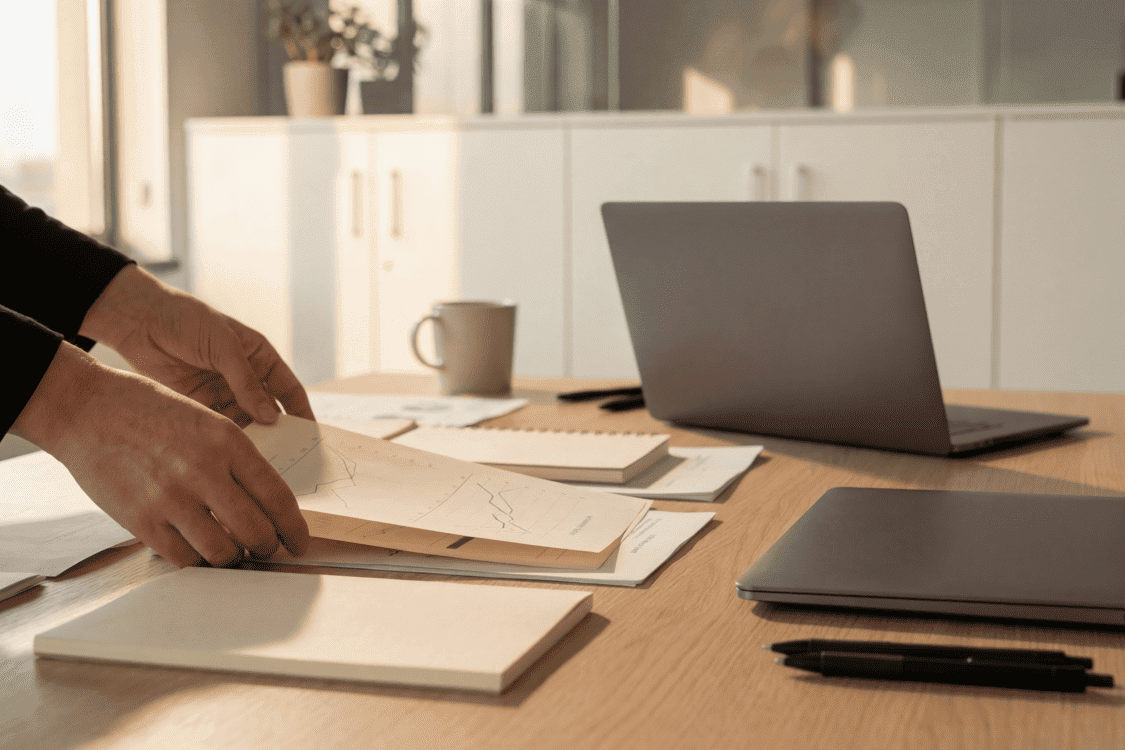
5. Declutter Your Workspace and Digital Life
Decluttering doesn't end at home. We can apply the same principles to our workspaces and all the devices we use every day.
A desk covered in documents, notes, cables and unnecessary objects can make it harder to concentrate. The same goes for a computer full of duplicate files, disorganised folders and unread emails.
Here's how to get started:
-
Keep only the items you regularly use on your desk.
-
Sort your documents and file away anything you need to keep.
-
Delete unnecessary or duplicate files.
-
Organise your folders using clear names.
-
Review your installed apps and remove those you no longer use.
-
Unsubscribe from newsletters and notifications that no longer add value.
You can also review the photos on your phone, your downloads and documents you've been accumulating for months.
The idea is simple: apply the same principles of organisation to both your physical and digital spaces.
6. Review Your Daily Routines and Learn to Say No
What if the clutter wasn't just in our surroundings, but also in our schedules?
Sometimes, we fill our days with commitments, responsibilities and activities until there's barely any time left for ourselves.
Decluttering can also be applied to time management. It means reviewing our priorities, identifying what really matters and learning to make room for the things that make us feel good.
You can start by:
-
Reviewing your schedule and removing unnecessary commitments.
-
Setting realistic priorities.
-
Making time to rest and switch off.
-
Learning to say no when necessary.
-
Spending more time with the people and activities that bring you joy.
It's not about doing less for the sake of it, but about choosing more consciously how we spend our time and energy.
7. Share the Process and Celebrate Every Small Achievement
If you share your home with others, decluttering can also become an opportunity to involve the whole family.
Talk about shared spaces, agree on what you need and divide up the tasks. Everyone can review their own belongings and take part in decisions that affect the home.
The most important thing is to make sure that keeping things organised doesn't become a responsibility placed on just one person.
And above all, celebrate your progress. You don't have to wait until the entire house is perfectly organised to recognise the effort you've made.
Every cleared drawer, every more mindful purchase and every decision to let go of something unnecessary is another small step towards a simpler life.
How to Maintain Order and Avoid Accumulating Things Again
Once you've cleared your spaces, the next challenge is keeping them that way.
The most effective approach is to incorporate small habits into your daily routine rather than waiting for clutter to build up again.
Here are a few ideas you can put into practice:
-
The five-minute rule: Spend a few minutes at the end of each day putting things back where they belong.
-
A place for everything: Give everyday items a specific place so they're easy to find.
-
Shop with intention: Before buying something, ask yourself whether you really need it and what value it will bring to your life.
-
Review your belongings seasonally: Make the most of seasonal changes to reassess your clothes, accessories and household items.
-
Avoid keeping things just in case: Holding on to something simply because you might need it one day can become a constant source of clutter.
-
Choose quality over quantity: When you do need to buy something, look for durable and versatile products.
There's no need to aim for perfection. What matters is finding a system that works for you and that you can maintain without putting too much pressure on yourself.
Decluttering and Wellbeing: Make Room for What Matters
At ARTIEM, we believe that wellbeing isn't about having more, but about making the most of the things that genuinely add value to our lives.
That's why decluttering connects with a way of living that goes far beyond keeping our homes organised. It encourages us to slow down, make mindful choices and reclaim the space we need to enjoy the present.
Sometimes, that space comes from a more organised home. At other times, it's found in a less crowded schedule, an unhurried conversation or a getaway that allows us to disconnect from our daily routine.
Because we also need to learn to pause, change our surroundings and make time for ourselves.
At ARTIEM, we champion experiences that bring together wellbeing, relaxation and balance. Our hotels invite you to step away from everyday demands, reconnect with yourself and enjoy those little moments that, in the end, are the ones that stay with us.
Letting go doesn't mean giving something up. It means making room for what truly matters.
So, where will you start your decluttering journey?

Frequently Asked Questions About Decluttering
What does decluttering mean?
Decluttering is the process of removing unnecessary items, clearing spaces and letting go of things we no longer need. It describes a mindful approach to organisation that aims to simplify our surroundings and reduce the accumulation of belongings.
What is the difference between decluttering and minimalism?
Although the two concepts are closely related, they aren't exactly the same. Decluttering is the process of reviewing, organising and removing things we no longer need. Minimalism, on the other hand, is a lifestyle philosophy that focuses on prioritising what is essential and reducing excess. You can practise decluttering without necessarily adopting a minimalist lifestyle.
How can I declutter quickly?
The best way to get started is to choose a small area and set aside a limited amount of time. Sort your belongings into things to keep, donate, sell or recycle. Avoid trying to organise your entire home in one go and focus on completing one task before moving on to the next.
What should I get rid of when decluttering?
Start by reviewing clothes you no longer wear, duplicate items, expired products, unnecessary paperwork, broken appliances and anything that takes up space without adding practical value or meaning to your life. However, every decision should be based on your own needs.
How often should I declutter?
There's no universal rule. The best approach is to build small reviews into your daily routine and carry out a more thorough review of certain categories, such as clothes or pantry items, whenever your needs change or the seasons change.
Can you declutter your digital life too?
Absolutely! You can organise files, delete duplicate photos, review your apps, clear your inbox and reduce unnecessary notifications. The aim is to create a simpler, more functional digital environment that's easier to manage.
At ARTIEM, we're convinced that happiness isn't measured by the things we accumulate, but by the experiences we enjoy and the moments we share. Sometimes, all we need to enjoy them is to learn to let go.